
San Marcos divorce lawyer
Family Law in San Marcos: Where to Start
For a San Marcos household, family law starts with where the case is filed. Most divorce, custody, support, parentage and restraining order cases go to the San Diego Superior Court's North County Division in Vista. Cases brought through the Department of Child Support Services are filed in the Central Division.
Most people facing a separation in San Marcos are juggling several worries at once. They may be renting and unsure who keeps the lease. They may be parenting young children around work shifts or classes at CSU San Marcos or Palomar College. They may need to know whether they can afford any of this, or whether they are safe at home. They are trying to work out which of these questions comes first and where each one is decided.
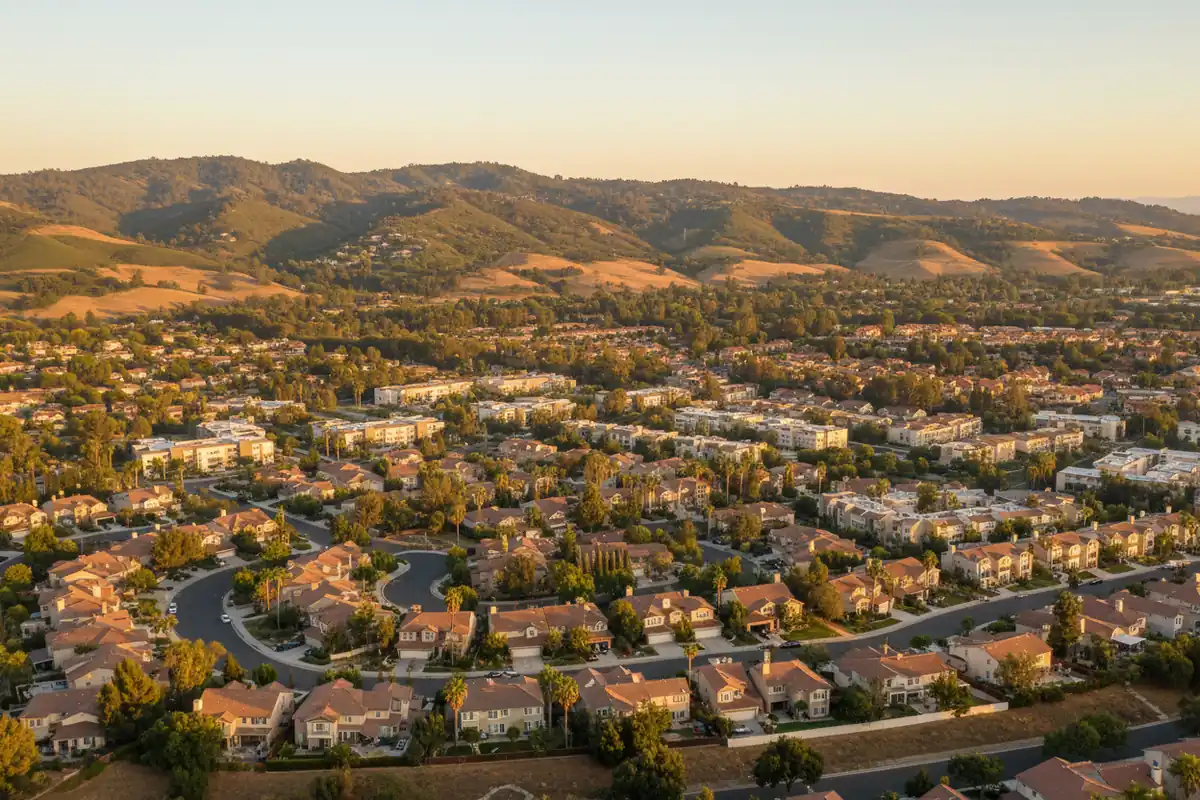
Where San Marcos Family Cases Are Filed
The San Diego Superior Court assigns family cases to a division by ZIP code, using its own Zip Code List (SDSC Form ADM-254). On that list, San Marcos ZIP codes 92069, 92078, 92079 (post office boxes) and 92096 (CSU San Marcos) are all assigned to North County. The court's Where to File page applies that list to divorce, custody and visitation, non-governmental child support, domestic violence restraining orders and paternity cases.
The court's family law local rules name an exception to the ZIP code rule. Matters involving the Department of Child Support Services (DCSS) must be filed in the Central Division. Those cases go to the Superior Court of California, County of San Diego, Central Courthouse, 1100 Union Street, San Diego, CA 92101. The local rules also say that every initial filing includes a Family Law Certificate of Assignment Venue Declaration (SDSC Form D-049). Each topic page, starting with divorce and child support, builds on this filing map.
Divorcing With Young Children in San Marcos
A divorce has a fixed waiting period. Under Family Code section 2339, a judgment cannot end the marriage until six months have passed from the date the summons and petition are served or the date the respondent appears in the case, whichever comes first. The court may extend that period for good cause.
Financial disclosure begins early. Under Family Code section 2104(f), each spouse serves a preliminary declaration of disclosure, a sworn statement of assets, debts and income. The petitioner serves it with the petition or within 60 days of filing the petition. The respondent serves it with the response or within 60 days of filing the response. The spouses may extend these deadlines by written agreement, or the court may extend them by order.
When young children are involved, custody, support and property tend to arrive together. The page Divorcing With Young Children in San Marcos sets out how they fit together. The first decisions usually concern the children's schedule and household money while the case is pending. Contested custody goes to the court's counseling process, which is described on the custody page. The court values the shared property as near as practicable to the time of trial under Family Code section 2552, and the property page covers that rule.

Child Custody When the Children Are Young
The court must send a custody dispute to mediation before the hearing. Family Code section 3170(a) says that when a petition or other request shows custody or visitation is contested, "the court shall set the contested issues for mediation." In San Diego County, that step is child custody recommending counseling with the court's Family Court Services.
Family Court Services explains what happens next. If the parents reach agreement, it is reported to the court and the hearing may be cancelled. If no agreement is reached, the Family Court Counselor makes a recommendation and the court hearing proceeds. The judge makes the decision. Domestic violence cases follow a separate written protocol approved by the Judicial Council, under section 3170(b).
For parents of babies and preschoolers, the page Child Custody When the Children Are Young covers how these steps apply. It also covers how a parenting plan can fit around work or school. Custody orders also shape child support, because support depends partly on parenting time.
Child Support for Working Parents, Through the Court or DCSS
California sets child support with a statewide guideline formula in Family Code section 4055. The formula uses each parent's net monthly disposable income and the share of time the higher earner has primary physical responsibility for the children. For more than one child, the result is multiplied by a set factor.
A support order can come through two routes. A parent can file directly with the court. For San Marcos ZIP codes, that filing goes to the North County Regional Center in Vista. Alternatively, a parent can apply to DCSS. The court's Where to File page explains that DCSS is a government agency and not part of the Superior Court. It also says DCSS orders are made by a child support commissioner, and that DCSS cases are filed at the Central Courthouse at 1100 Union Street.
The first question is which route fits the family. The page Child Support for Working Parents, Through the Court or DCSS compares the two. Unmarried parents may also need parentage settled first, which is covered on the parentage page.
Restraining Orders: the San Marcos Station, Lake San Marcos and One Safe Place
Domestic violence restraining orders come from the Domestic Violence Prevention Act, Family Code section 6200 and the sections after it. A request for one is filed by ZIP code like other family cases. For a San Marcos home, including one near Lake San Marcos, that means the North County Division.
Under the court's local rules, a domestic violence temporary restraining order request also includes the venue declaration. Where children are involved, it also includes a Declaration Under Uniform Child Custody Jurisdiction and Enforcement Act (FL-105). If custody is at issue, Family Court Services handles the case under its separate domestic violence protocol, as described in the custody section.
The page Restraining Orders: the San Marcos Station, Lake San Marcos and One Safe Place covers the kinds of orders available. It also explains the local resources named in its title. Safety concerns often sit alongside a divorce or a custody question, and those pages note where the issues meet.
Spousal Support at Typical Incomes, With Free Court Help
For support ordered at judgment, Family Code section 4320 lists the circumstances the court must consider. They include:
- whether each spouse's earning capacity can maintain the marital standard of living
- the supported spouse's contributions to the other spouse's education or career
- the paying spouse's ability to pay
- each spouse's needs, obligations and assets
- the length of the marriage
- the ability to work without unduly interfering with the children's interests
- age and health
- documented domestic violence
The court offers free help. Its Self-Help Contact Information page says Self-Help Center services are free to anyone without a lawyer, whatever their income. It also lists the Office of the Family Law Facilitator, which offers help with forms and information on child and spousal support, among other topics. The page Spousal Support at Typical Incomes, With Free Court Help covers support during the case and at judgment. It also explains how support interacts with child support.
Dividing Debts, a Home or a Lease
Under Family Code section 2550, the court divides the community estate equally unless the spouses agree otherwise in writing or in open court. Under section 2552, the court values the property and debts as near as practicable to the time of trial. With 30 days' notice and good cause, it may use a date after separation and before trial.
The page Dividing Debts, a Home or a Lease covers credit cards, car loans, an owned home and a rented apartment. For many San Marcos renters, the first decision is who stays in the home and who carries the lease. That question also connects to summary dissolution.
Parentage: Filing by ZIP or Through DCSS's Parentage Program
In Family Code section 7570, the Legislature declares that establishing parentage is the first step toward a child support award. It also favors a simple voluntary system that spares parents a lengthy court process. For unmarried parents, legal parentage is the foundation for custody and support orders.
There are two paths. A parentage case filed directly with the court follows the ZIP code list, so San Marcos families file in the North County Division. Alternatively, DCSS can help establish paternity, child support or medical support. Those cases are filed at the Central Courthouse. The page Parentage: Filing by ZIP or Through DCSS's Parentage Program compares these routes. It links back to the custody and child support pages for what follows once parentage is established.